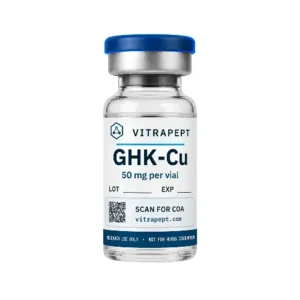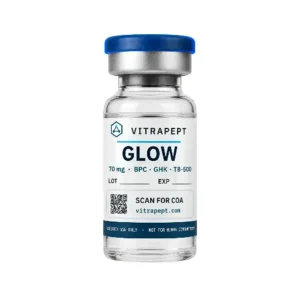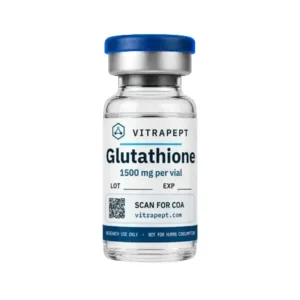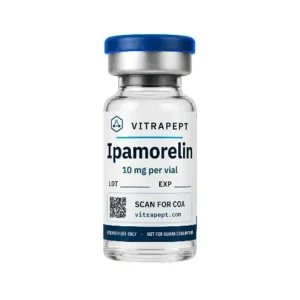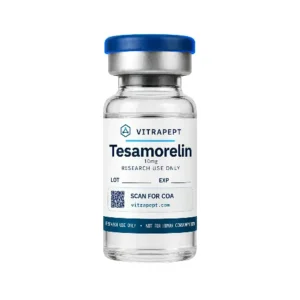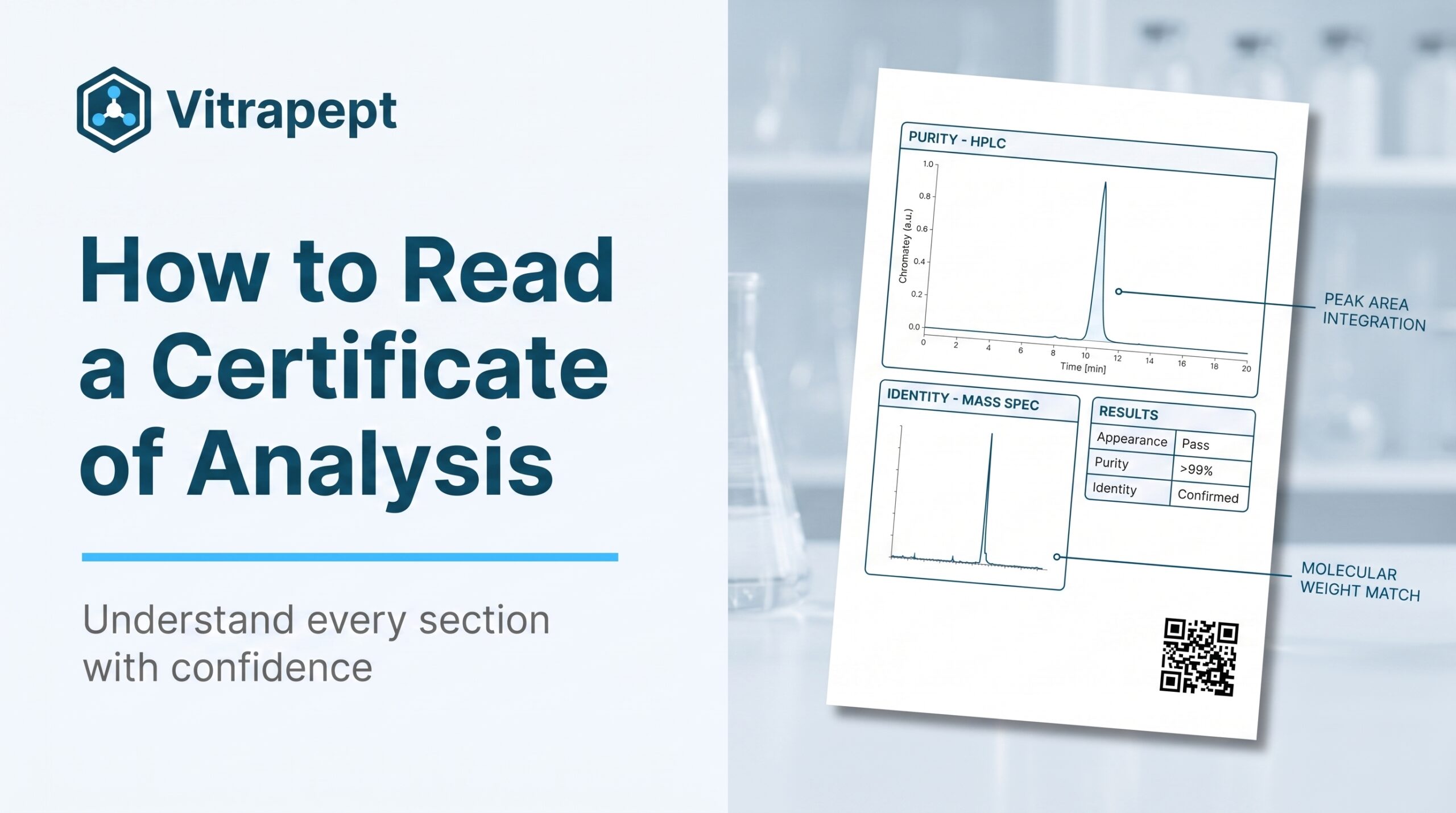
Every batch of research peptides sold by Vitrapept ships with an independent certificate of analysis (COA) — the single most important document for verifying what is actually inside a vial. Yet many researchers glance at the headline purity figure and move on. This guide breaks down every section of a peptide COA so you can read one with confidence, spot the results that matter, and confirm that the report in front of you belongs to your batch.
What is a certificate of analysis?
A certificate of analysis is a lab report produced by an independent testing facility that documents the identity, purity, and safety screening of a specific production batch. For research peptides it typically answers four questions: Is the compound what the label says it is? How pure is it? Is it free of harmful contaminants? And which exact batch was tested?
A COA is only meaningful when it is tied to a batch number and issued by a third-party laboratory rather than the manufacturer alone. At Vitrapept, every batch is tested by Janoshik Analytical, and each report is linked from the product page or accessible by scanning the QR code on the vial. You can browse them on our certificates page.
HPLC purity: the headline number
The figure most researchers look for first is purity by HPLC (high-performance liquid chromatography). HPLC separates the components of a sample and measures the proportion that is the target peptide versus everything else. A result of “99.4%” means 99.4% of the detected material is the intended compound.
How to read the HPLC section
- Purity percentage — higher is better; premium research peptides typically report 98%–99%+.
- The chromatogram — a graph of peaks over time. A single dominant, sharp peak indicates a clean sample; multiple large peaks suggest impurities or degradation.
- Retention time — when the main peak appears, used to help confirm identity against a reference.
Purity alone doesn’t confirm what the compound is — that’s the job of the next section.
Mass spectrometry: confirming identity
Mass spectrometry (MS) measures the molecular weight of the peptide and compares it to the expected value for the labelled sequence. When a COA lists identity as “Confirmed,” it means the measured mass matched the theoretical mass for that peptide within tolerance.
This is a critical check: HPLC can tell you a sample is pure, but only MS confirms it is pure and correct. A COA that reports purity but omits an identity result is incomplete.
Heavy metals and endotoxins: the safety screens
Two further tests screen for contaminants that purity figures don’t capture:
- Heavy metals — screens for trace metallic contamination introduced during synthesis. You want to see a “Pass” result.
- Endotoxins — bacterial by-products that can compromise sensitive research applications. Again, look for “Pass.”
For laboratory work where sample integrity matters, these screens separate a thorough COA from a superficial one.
Verifying the batch number
A COA is only valid for the batch it was issued against. Before trusting a report, match the batch number printed on your vial to the batch number on the certificate. If they don’t match, the report doesn’t describe your product.
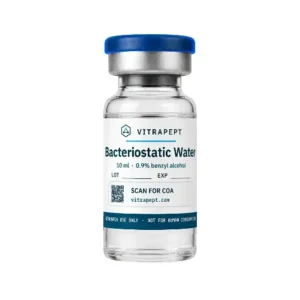
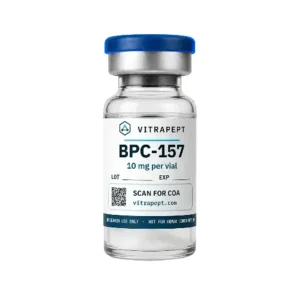
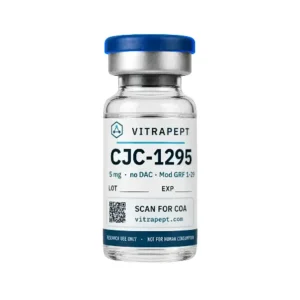
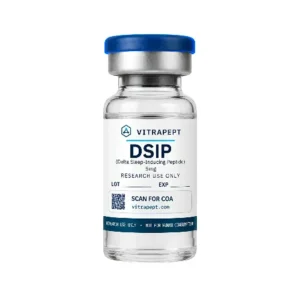
Every Vitrapept vial carries a batch code (for example, VP-2406-118) that maps to a specific certificate. Scanning the QR code on the label takes you straight to that batch’s report.
Red flags on a certificate of analysis
When reviewing any COA, be cautious if you see:
- No batch number, or a batch number that doesn’t match the vial.
- A purity figure with no chromatogram or no MS identity confirmation.
- A report issued by the seller with no named third-party laboratory.
- A generic certificate reused across multiple products or batches.
Buy with verification, not trust
Reading a COA turns “trust us” into “verify it yourself.” Once you know how to interpret HPLC purity, MS identity, heavy-metal and endotoxin screens, and how to tie a report to a batch, you can evaluate any research peptide on the evidence rather than the marketing.
Explore lab-tested compounds in our full catalogue, review the reports on our certificates page, and when you’re ready to work with a vial, our free peptide reconstitution calculator handles the math.
All Vitrapept products are intended strictly for laboratory and research purposes only. They are not for human or animal consumption, and nothing in this article is medical advice.